Windowlight Diaries: Shooting Soft Side Light for Quiet Portraits
 Maya Calder
·
Maya Calder
·
Windowlight as a daily collaborator
Windowlight is the quietest assistant you'll ever have. It requires no batteries, arrives at predictable hours, and gently sculpts faces, fabrics, and rooms with direction and tone. If you want to make intimate, everyday portraits or small scene studies that feel lived-in and honest, start by learning to read and work with the light coming through the nearest window.
See the light, not the window
Begin by changing what you notice. Don’t just look at the window — look at the plane of light it throws. Is it broad and soft, filling the room? Is it a narrow strip that hits a face at an angle? Is the light cool or warm? How hard are the shadows? These qualities tell you what the light will do to skin tones, textures, and mood.
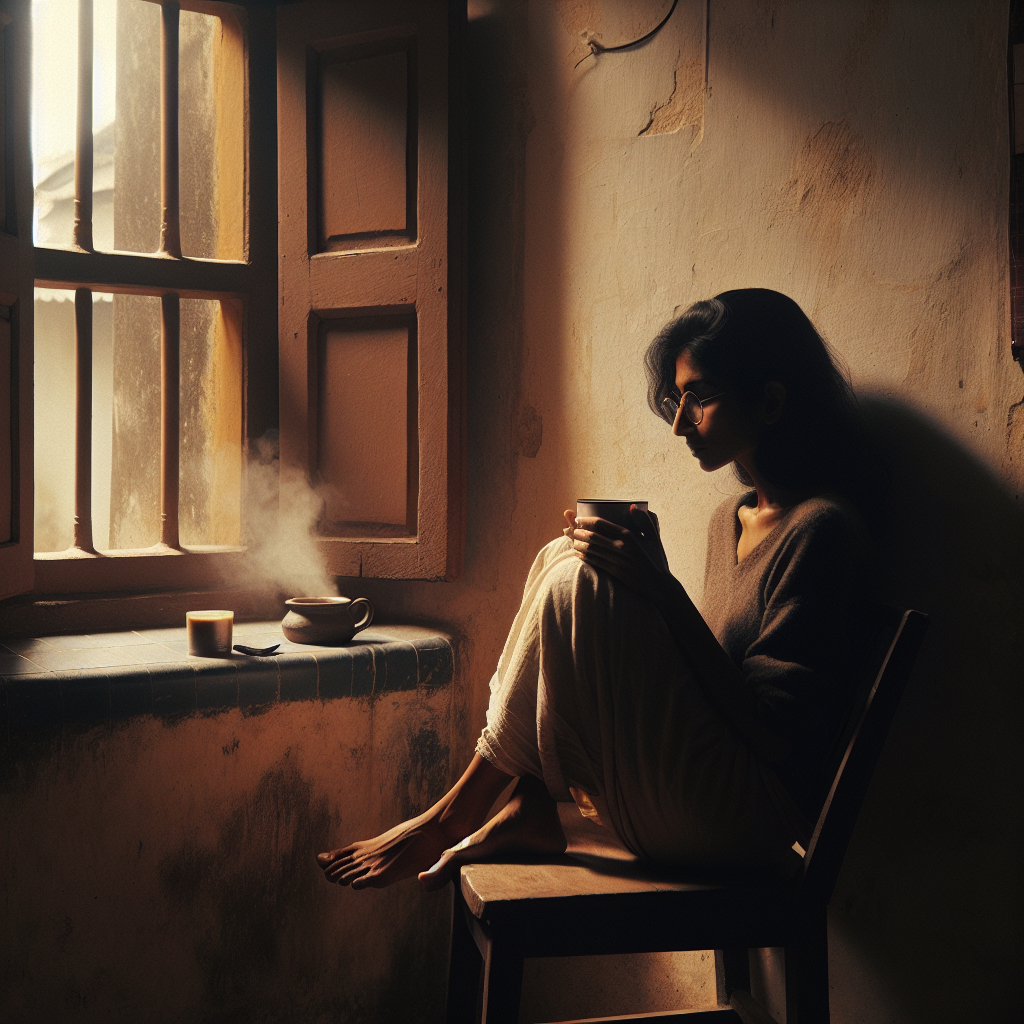
Soft windowlight (cloudy skies, north-facing windows, or a large west-facing window late in the day) is generous and forgiving. It gives you a creamy falloff from highlight to shadow — useful for portraits with gentle modeling. Harder windowlight (direct sun through an unshaded window) creates contrast and can be dramatic, but it also risks harsh shadows and specular highlights.
Simple setups that tell stories
You don’t need complex gear. Here are setups that fit a phone or a small mirrorless camera and a willingness to rearrange a chair.
- Side-lit portrait: Place your subject at a three-quarter angle to the window so the light grazes the cheek and shoulder. This creates depth and a subtle highlight-shadow separation that reads well at small sizes.
- Window frame silhouette: Put your subject between camera and window to get a rim or silhouette. Expose for the background to keep mood; expose for the subject to keep skin detail.
- Table-top scene: Arrange objects near the window — a cup, a folded newspaper, a pair of glasses. These tell micro-stories. Shoot from above or at table height for a quiet still-life feel.
- Layered depth: Use chairs, plants, or curtains to create foreground and middleground layers. Light streaming through the curtain becomes a veil. Layers make ordinary rooms look cinematic.
Composing for intimacy
Composition in windowlight photography is often about restraint. Let negative space breathe where the light fades; let textures hold the viewer. A few practical composition rules that actually help:
- Place the brightest highlight away from the center — your eye will move into the frame rather than stop at the glare.
- Use leading lines of window frames, blinds, and tabletop edges to guide the gaze toward the subject’s face or hands.
- Include a small environmental detail — a steaming mug, a scuffed windowsill, a knit sweater — to anchor the portrait to a place and a life.
- When the light is soft, shooting slightly wider and then cropping later gives you flexibility to choose emotional distance.
Practical camera and exposure tips
Whether you shoot on phone or camera, these practical moves save frustration and improve results.
- Expose for the subject’s midtones: If you expose for the brightest part of the window, faces will often be too dark unless you’re going for silhouette. Meter or tap to lock exposure on the skin tones you care about.
- Use wide aperture for separation: f/1.8–f/4 is your friend for placing the subject in the scene while letting backgrounds melt away. On phones, use portrait mode sparingly — go manual if available.
- Watch white balance: Windowlight changes color throughout the day. Set a neutral white balance or shoot RAW so you can fine-tune warmth in post.
- Stabilize if needed: Late-day windowlight can be dim. Raise ISO before resorting to motion blur if you want tack-sharp eyes, but don’t be afraid of a little grain — it often reads like film and can enhance mood.
Working with people (without making them uncomfortable)
Windowlight is non-confrontational, which helps when your subject is someone at home. Keep directions gentle and visual.
- Ask them to find a comfortable perch near the window and look out. Natural gazes often read as contemplative and rich for storytelling.
- Use small prompts: “Turn your shoulder a touch toward the light,” or “lower your chin slightly.” Small adjustments produce big changes in how light sculpts features.
- Focus on hands and small interactions — hands on a mug, fingers tracing a book — these make portraits feel lived-in.
- Share a few frames with them as you work. Seeing the images builds trust and often relaxes the subject, creating better subsequent images.
Quick exercises to build a practice
Turn windowlight into a habit with short, repeatable exercises:
- Daily 10-minute portrait: For one week, photograph someone (or yourself) by the same window for ten minutes. Notice the subtle changes in light and mood each day.
- One-item still life: Place a single object on a table by the window and photograph it from three angles. Work with foreground elements to make a simple story.
- Mirror experiment: Use a mirror to bounce light back into shadow areas and see how much control you can get without artificial lights.
Final dispatch
Windowlight rewards curiosity and repetition. It won’t always be perfect, but it will always be honest, and honesty is what photographs of everyday life need most. Treat your nearest window as a reliable collaborator: visit it at different hours, rearrange a chair or a scarf, and keep a small notebook of the combinations that work. Over time you’ll learn not only to see the light, but to speak with it.
“Good light is like good company — it makes the ordinary feel worth noticing.”