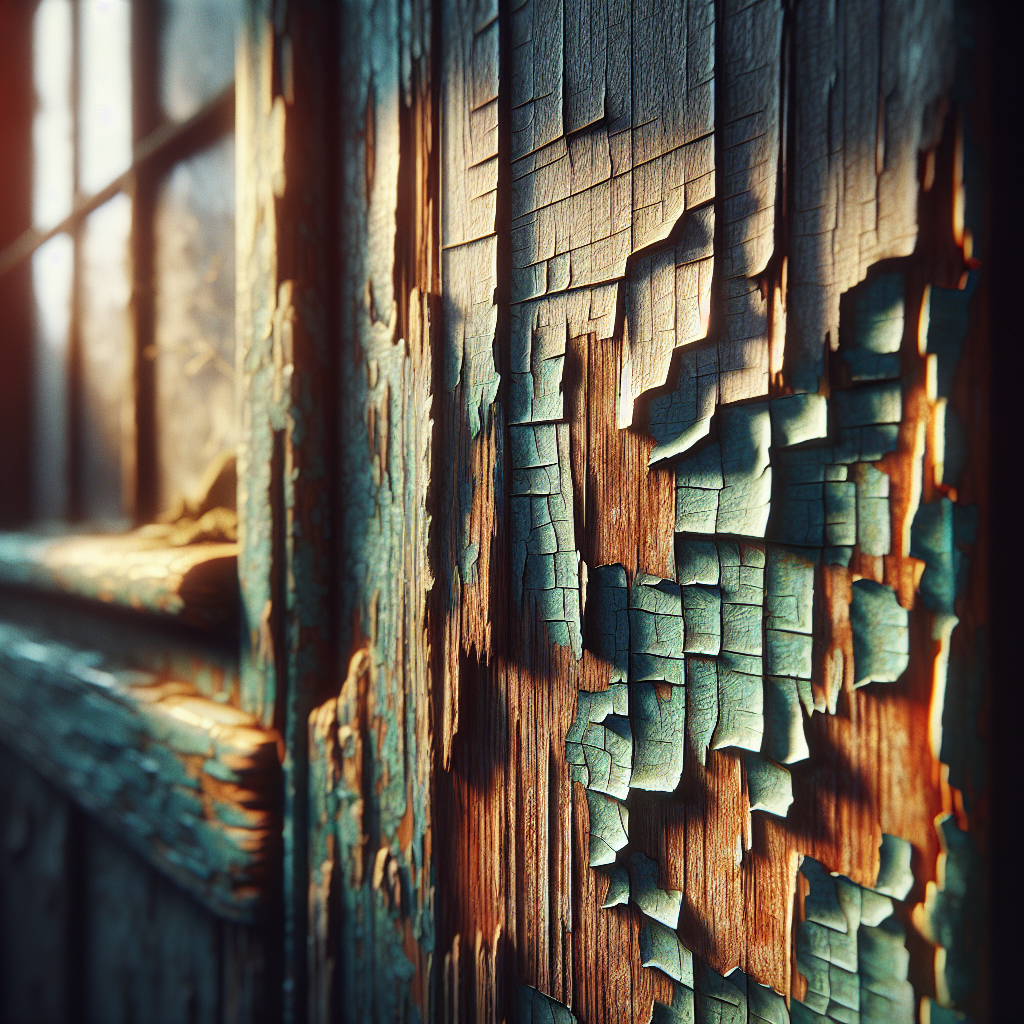
Surface Stories: Reading and Shooting Texture in Everyday Scenes
 Maya Calder
·
Maya Calder
·
Why surfaces matter
We tend to chase faces, light, and decisive moments, which is great. But surfaces—the scuffed wood of a park bench, a rain-speckled windowsill, the cracked paint on a milk crate—carry quiet history. Texture is like a residue of life. It tells you who passed through, who lingered, what weathered or was cared for. Photographing texture is a low-drama, high-reward way to make everyday scenes feel like they have a backstory.
Look like a detective, compose like a poet
The first step is seeing. Walk slowly. Tilt your head. Imagine touching the surface. Where are the scratches, the patina, the tiny residues of use? Good surface shots don't need grand context; they need selective focus and intentional framing. You want the viewer to feel they could run a fingertip across the frame.
Think in layers: foreground surface, midground cue, background hint. Let the surface anchor the frame. Use the midground and background as storytelling notes—just enough to suggest a setting without stealing the texture's attention.
Camera settings that favor texture
Texture thrives on directional light and contrast. Early morning, late afternoon, or a window's side-light are your friends. Here are a few practical settings to try:
- Aperture: f/4–f/8 for a balance between isolation and context. If you're very close and want total separation, push to f/2.8 or wider with a lens that renders foreground detail crisply.
- Shutter speed: Keep it fast enough for handheld sharpness. 1/125s is a good baseline for static scenes; if you’re close, increase to avoid shake.
- ISO: Keep it low for clean texture. Don’t be afraid to raise ISO if you need faster shutter speed; noise can add its own tactile character.
- Focus: Use single-point or manual focus. Aim for the plane of texture that feels most tactile—usually a point one-third into the frame.
Lighting: where texture wakes up
Flat, overcast light is honest, but it's side light that reveals surface relief. Low-angle light casts gentle shadows inside cracks and highlights raised edges. Try shooting the same surface at different angles to see how light changes the story. Also, look for specular highlights: they can read like tiny punctuation marks across a surface.
Composition recipes: small, repeatable moves
Here are a few simple approaches you can try on any walk:
- Diagonal Slice: Fill the frame with a surface that runs on a diagonal. Let a seam, crack, or line lead the eye. This creates dynamic energy even in a quiet subject.
- Patchwork Close-up: Find a surface with multiple textures—peeling paint over metal, a sticker on wood—and photograph a tight rectangle that shows the relationships between materials.
- Negative Pairing: Place a plain, soft area next to a highly textured area. The contrast helps each read better. Use minimal background cues to suggest scale.
- Echo Repetition: Frame repeating textures—corrugated metal, tiles, stacked crates—to make a pattern that also hints at human organization and labor.
Telling a story with texture clusters
Textures rarely exist alone. Combining a few tactile elements can create a micro-essay. For example: a greasy ring on a café table, an abandoned soap bar by a sink, and faint chalk writing on the wall. Together, they imply routine, absence, a human rhythm. Compose so the eye travels between those details—small directional lines, color shifts, or repeated shapes will do the guiding work.
Minimal gear, maximum return
You don't need a specialist macro lens. A 35mm or 50mm on a crop or full-frame camera works beautifully for looking at surfaces in their context. A cheap close-up filter can be handy for extreme detail, and a small tripod helps when you want to slow your shutter for low-light texture. My practical kit for texture hunting:
- 35mm prime or 50mm prime
- Small travel tripod (optional)
- Close-up filter or extension tube (optional)
- A microfiber cloth for cleaning or revealing hidden detail
Annotated composition breakdown
Try this quick exercise during your next coffee break: sit near a window and scan surfaces. Pick one—say, the café table. Photograph it three ways:
- Wide context: table top plus a sliver of chair and window. Aperture f/6.3, shutter 1/125, ISO 200. Goal: place the surface in its environment.
- Tight texture: 40cm from the table, fill the frame with a patch of stain and wood grain. Aperture f/4, shutter 1/200, ISO 200. Goal: let the surface become the subject.
- Detail accent: move the light angle (or your camera) to catch a ridge or shadow. Aperture f/2.8, shutter 1/400, ISO 200. Goal: make the texture tactile.
Compare the three images. Which one felt closest to a story? Which suggested a person or action? Often the middle ground between context and micro-detail gives the richest narrative hint.
Field checklist
When you're out looking for surface stories, carry a short checklist in your head or phone. It keeps your eye productive without making you overthink.
- Light direction: side, back, or flat?
- Primary texture: soft, rough, shiny, cracked?
- Color accents: are there small color pops to use as anchors?
- Context hints: can you include a single object to suggest use or scale?
- Compression: does moving closer or using a longer focal length improve the story?
Closing note
Textures are an invitation to slow down. They reward patience, curiosity, and a willingness to shoot the small, imperfect things that make places feel lived-in. Next time you walk past a scuffed step or rain-specked glass, give yourself two minutes. Photograph the surface from a few angles. You will be surprised how many stories are hiding in plain sight.
If you want a small challenge: make a three-image set this week where every photo is a surface. Send them to a friend and ask what story they read into the trio.