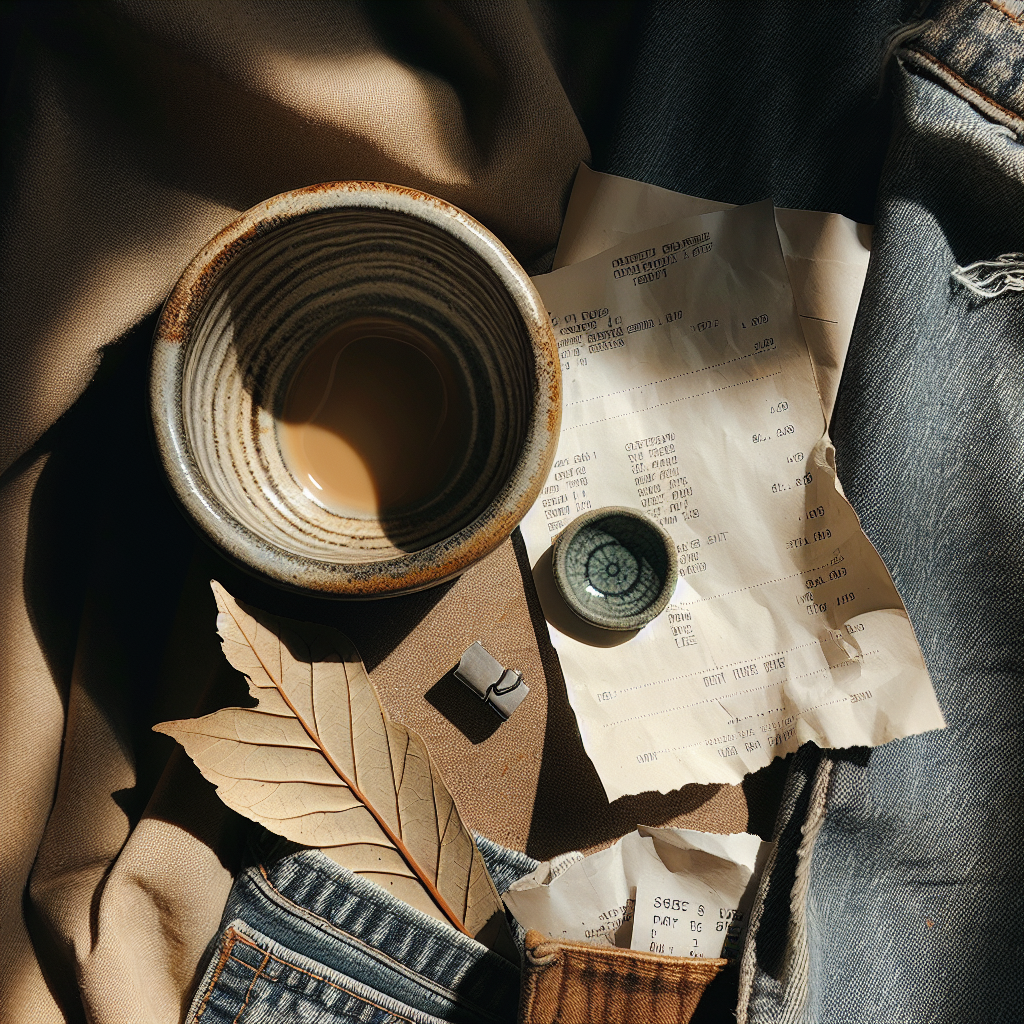
Pocket Stories: Close-up Fragments That Tell a Whole
 Maya Calder
·
Maya Calder
·
Why small things make big pictures
There’s a special kind of attention in photographs that come from close-up fragments. A sliver of shadow on a table, a pair of hands mid-gesture, the frayed edge of a jacket pocket — these details ask the viewer to finish the scene. They invite memory and curiosity without telling everything. That restraint is powerful. It turns the photograph from an encyclopedia entry into a conversation starter.
Think like a storyteller, not a microscope
Close-ups aren’t just about filling the frame with texture. They’re about choosing the fragment that implies the rest. Ask yourself: what does this detail suggest? Does a coffee stain hint at a late night? Does a well-worn stitch speak of a favorite sweater? The goal is to use one intimate element to pull a larger world into the mind of the viewer.
Gear and settings, kept refreshingly simple
You don’t need a macro lens to make pocket stories. A 50mm or a 35mm can be surprisingly intimate if you get close. If you have a macro, great — it opens up textures — but the real trick is perspective. Get low, get near, and let the background fall away.
Here are a few practical starting settings that work well for handheld close-ups:
aperture: f/2.8–f/5.6 | shutter: 1/125 or faster | ISO: as low as practical
That aperture range gives you a shallow enough depth of field to isolate the subject but enough plane of focus to keep the meaningful parts sharp. If you want dreamy bokeh, go wider; if you need more context, stop down.
Composition: pick a fragment, then arrange the rest
Composing close-up fragments is part selection, part choreography. Decide which edge or surface will be your anchor and which elements will support it. Use light, line, and texture to lead the eye to the anchor. Negative space in these images is not emptiness — it’s breathing room for the detail.
- Anchor: the detail you want the viewer to notice first.
- Support: secondary shapes or colors that hint at context.
- Edge: a boundary that suggests continuation beyond the frame.
Light, texture, and the illusion of scale
Light is the shorthand of texture. Side light reveals weave, scratches, crumbs and seams. Backlight turns translucent things into glow, which can read as fragility or warmth. Try moving a subject slowly relative to a single source and watch how shadows carve character out of the smallest surfaces.
Small scale can feel large when the texture is emphasized. A close crop of a ceramic glaze crack or the hairs on a worn leather strap reads like an epic landscape if shot with the right light and focus. Conversely, bright, even light can flatten things — useful when you want clarity, not drama.
Color and context: suggest, don’t explain
Color is a storyteller’s accent. A pop of red thread, the yellow of a price tag, or the cool blue of a grocery tote can shift mood. Use color contrast to guide attention and color harmony to knit elements together. You’re not trying to document the scene; you’re hinting at it.
Three quick exercises to sharpen your eye
- Ten-minute pocket sweep: Spend ten minutes emptying a pocket or a small bag and lay items out on a plain surface. Shoot close-ups of pairs of objects that suggest a morning, a commute, or an errand. Focus on relationships, not inventory.
- Texture swap: Choose one texture — denim, paper, wood — and make five photos where you treat that texture as if it were landscape. Light it sideways and look for ridges and valleys.
- Edge stories: Find an object with a worn edge (book, mug, wallet). Take one image that centers the edge, one that includes the adjacent surface, and one where the edge just touches the frame. Compare what each crop implies.
Common pitfalls and how to dodge them
Too many close-ups become decorative patterns with no narrative pull. If you find yourself chasing pretty texture after texture, stop and ask what story each image suggests. If the answer is only “this is nice,” push further: change the light, include a hint of context, or reframe to suggest cause or consequence.
Another trap is over-polishing. High contrast, heavy sharpening, and saturated colors can shout where subtlety is better. When in doubt, dial things back and trust the quiet detail to do the work.
Putting it together: a simple shoot plan
Go out with a small, specific brief: for example, “afternoon tea aftermath” or “commute pockets.” Spend 20–30 minutes making focused studies: two anchors, three supporting details each, and one edge crop. That gives you a mini-series with internal connections and variety.
Final note — make the viewer do a little work
There’s joy in an image that asks a question instead of handing over an answer. Close-up fragments reward curiosity; they make the viewer lean in. So when you’re next moving through your day, notice the little things. Photograph them closely. Leave some mystery in the edges. The story you hint at will feel larger than the frame.
Small scenes are not minor. They’re invitations.