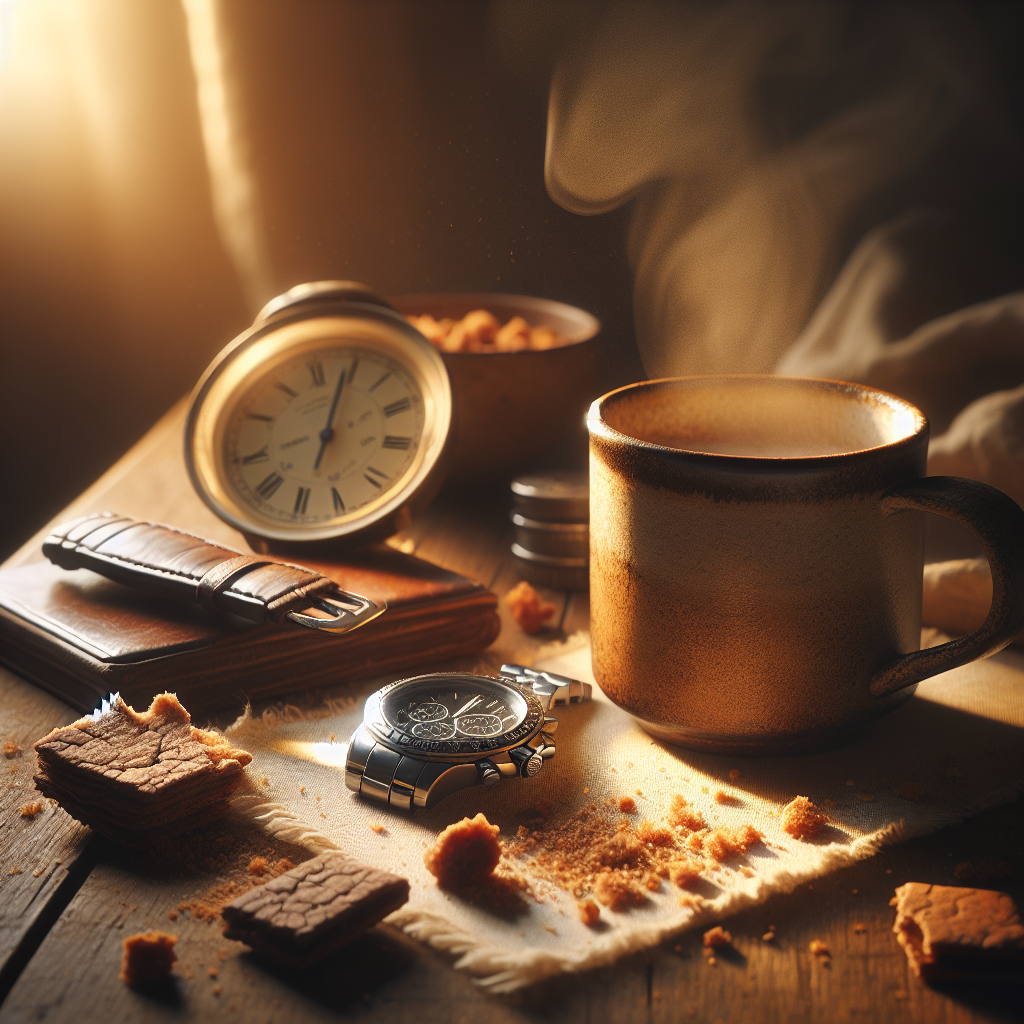
Minute Details: Making Micro-Moments Feel Monumental
 Maya Calder
·
Maya Calder
·
Why small moments matter
There is a subtle humility to photographing the little things. They are everywhere, quiet signposts of life: a chipped mug, a thumbprint on a window, the shadow of a bicycle chain on cracked pavement. Treating tiny scenes with intention trains your eye and rewards patience. The resulting images feel honest because they are true to the scale of most of our lives.
See like a macro (even if you do not own a macro lens)
Close is not only a focal length. It is a way of seeing: looking for texture, edges, points of contact, and moments where scale collapses. You do not need a dedicated macro lens to shoot intimate detail. Move your feet, change lenses if you have them, use extension tubes, or simply pick a longer focal length and step back to isolate the subject. What matters is the intention to notice small relationships — how a shadow kisses a seam, how two materials meet, how light pools in a dent.
Light and distance: tiny subjects, big drama
Light defines small scenes more than any other factor. Side or rim light sculpts texture and gives depth; backlight reveals translucence and outlines. Hard light makes micro-contrasts pop; soft window light flattens and soothes. Try these simple experiments:
- Shoot the same tiny subject under soft overcast light, then under a single bare bulb or late-afternoon sun. Compare what sticks out.
- Move left and right rather than forward and backward to see how the angle changes texture and shadow.
- Introduce a small reflector — even a crumpled receipt — to fill a shadow and see how mood shifts.
Compositional tools for making small things feel significant
When the subject is small, composition becomes the scaffolding that supports meaning. Here are reliable tools you can use to punch above scale:
- Negative space: Give the object room to breathe. Empty space can make a tiny subject read as lonely, important, or quiet.
- Repetition and rhythm: A single cracked tile among many, a line of laundry with one colored sock — these use pattern to highlight the unusual.
- Leading lines: Even small grooves or seams can guide the eye like a path to a subject.
- Context crop: Include just one hint of the bigger scene — a blurred hand, a corner of a plate — to suggest story without dominating the frame.
A short recipe: five-minute micro-shoot
Next time you have ten minutes, try this quick workout. It forces decisions and builds habit.
- Find a subject: a dripping faucet, a steaming cup, a worn button. Keep it simple.
- Choose your light: move to a window or work with a lamp. Look for side or backlighting.
- Pick one compositional rule to apply: negative space, repetition, or leading line. Commit and ignore others.
- Shoot three variations: wide enough to show context, mid to isolate, and tight to emphasize texture.
- Edit down to one favorite and ask why it works. If you can name the reason, you are learning.
Small edits, like small moments, are often the most revealing. Take away what is not essential and the image will breathe.
Practical settings and a quick cheat sheet
Here is a tiny block of settings you can start with. Adjust for your light and gear.
ISO 100-400, aperture f/2.8–f/8, shutter speed 1/60–1/250. If handholding at close distance, favor faster shutter or stabilize. Use spot or single-point AF on the detail you want sharp.
If you shoot on a phone, tap to set focus and exposure, then lock it. Use portrait or macro modes sparingly — they are helpful but can flatten texture. If your phone allows, lower exposure slightly to preserve highlights and texture.
Editing: make small choices
Editing tiny scenes is less about flashy filters and more about subtle negotiation. Pull up clarity or texture to make details tactile. Gently adjust contrast to define edges. Crop tightly to remove distractions. Do not oversharpen: tiny subjects reveal sharpening artifacts quickly.
Consider converting to black and white when color distracts. Monochrome can highlight form and texture, making a small subject feel timeless.
Examples to try this week
- Bonnet drama: the crease behind a worn pillowcase lit by side window light.
- Time in hands: a watch face showing a single minute, shallow depth of field on the dial.
- Food fragments: a single crumb on a dark tabletop with rim light to outline it.
- Micro-architecture: a rusted hinge or latch that hints at age and use.
A final note
Practice small-scale photography the way you would practice handwriting — daily, in short bursts, paying attention to rhythm and pressure. The more you look for tiny relationships, the better you will see the world. Your camera becomes a tool that extends a habit of attention, and that habit changes not only your pictures but the way you move through the day.
Keep it small, keep it intentional, and remember: a modest subject photographed with curiosity can carry more meaning than an extravagant scene shot without thought. Go find one small thing to love and photograph it.