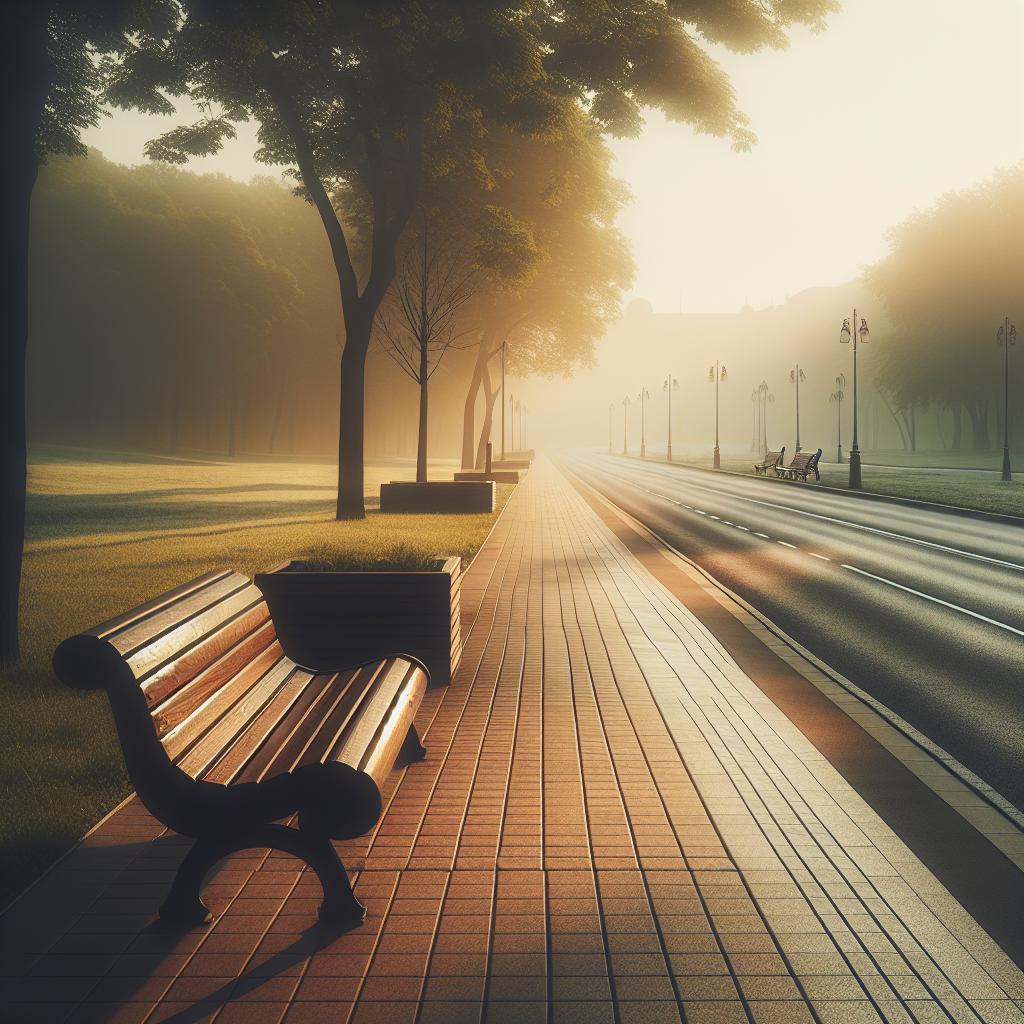
Edges & Quiet Rooms: Using Negative Space to Make Everyday Moments Speak
 Maya Calder
·
Maya Calder
·
Edges and Margins: Why Empty Space Isn’t Wasted
Most beginners think a photo must be filled with subject matter to be interesting. The opposite is often truer: a generous edge, a margin of calm, a stretch of quiet can make the rest of the frame sing. Negative space — the air around your subject — isn’t emptiness. It’s tone, direction, and emotional punctuation. In everyday scenes, where story is small and details are humble, negative space helps the viewer know where to rest and where to look next.
This post is a friendly nudge to stop crowding your frames. I’ll show practical ways to see margins, simple camera settings to help, and three short projects you can try this week. No special gear required — just an eye for the literal and figurative edges in your life.
What Negative Space Does for a Photo
Think of negative space as the pause in a conversation. It can:
- Isolate the subject and remove distractions so the viewer reads the intended emotion quickly.
- Create implied motion — a person looking into empty space feels like they’re looking into the future; a moving car with space in front feels like it will keep going.
- Establish scale — a small object in a vast field emphasizes solitude or vulnerability.
Quick Rules (That Are Really Suggestions)
- Leave breathing room in the direction of movement or gaze. If your subject faces right, give more empty space on the right.
- Use repetition of simple shapes to balance emptiness: a row of windows against a big sky, a single cup on a wide table.
- Be intentional with color in negative space; a soft, even background minimizes visual noise, while a textured background adds atmosphere.
Simple Camera Settings and Techniques
If you’re using a phone or a camera, these small adjustments can emphasize negative space without complicated post-processing.
- Meter for your subject: Tap or meter off the subject so exposure keeps your subject properly lit while the negative space may fall darker or lighter intentionally.
- Use a wide aperture for shallow depth: On interchangeable-lens cameras, f/2.8–f/5.6 isolates subject against soft negative space. On phones, Portrait mode simulates this effect.
- Choose a focal length deliberately: A slightly longer focal length compresses the frame and can make negative space feel denser; a wide angle amplifies emptiness.
- Move your feet: The same scene changes dramatically when you step left, right, forward, or up. Often you’ll find the best negative space by simply shifting your position.
Three Small Projects to Practice
- Window & Quiet: Photograph someone near a window with lots of wall around them. Capture the quiet between the person and the light — it turns a simple portrait into a mood study.
- Object in a Field: Place a familiar household object (cup, shoe, hat) in an open outdoor space. Make the object tiny relative to the scene. The mismatch tells a story: belonging, loss, playfulness.
- Leading Empty: Shoot people walking or cycling and compose to leave a long stretch of space ahead of them. The emptiness becomes the narrative of future motion.
Composition Breakdown: A Small Scene
Imagine a bench at a park edge with one person sitting on the left, looking out. How to compose:
- Place the person in the left third — give two-thirds of the frame to the open park.
- Lower your camera slightly to include more foreground; that foreground becomes a visual pathway leading to the person.
- Watch for lines — a fence or path that diagonally bisects the empty space adds dynamic tension.
These decisions are simple, but they change the emotional tone from "portrait" to "moment observed."
Common Mistakes and How to Fix Them
- Too much clutter: If the negative space is busy, step in closer, change angle, or use a shallower depth of field to simplify the background.
- Cutting motion off: Avoid placing moving subjects at the edge toward which they are moving. Give them room to go.
- Ignoring color mismatch: A vibrant background can fight with your subject. If the color distracts, convert to black-and-white to emphasize form and tone.
Why This Matters for Everyday Storytelling
Most moments worth photographing aren’t dramatic. They’re a commuter with a coffee, a child pausing on a sidewalk, a cat folded on a windowsill. Negative space lets these small gestures breathe and tells viewers where to feel. It’s especially powerful for diary-style photography: leave room, and the mundane becomes reflective.
Negative space is like silence in music — it gives meaning to the notes you play.
Try the three projects this week with whatever camera you have. Be playful: exaggerate the emptiness, then dial it back. Annotate your favorites with a quick note about why the emptiness matters. Over time you’ll learn not just how to see margins, but how to use them as the quiet voice that guides a viewer through a photograph.
Next week I’ll share an annotated photo from my walk — edges and all — with a short breakdown of the exact decisions I made. Until then, notice the small rooms in your day and give them a bit of space.